Library

Writing That Works At Work

Learn to make any piece of professional writing clearer, sharper, and more effective.

Video thumbnail

If you work on a computer, you're already writing all day. Emails, presentations, web pages, reports, Slack messages, internal documents—all of them with a purpose to shape what people think, feel, and do. But despite writing every day, most of us have never developed the skill. This course by Harry Ashbridge gives you the knowledge, confidence, and ability to be a more effective writer at work.

$500—immediate access, all materials included Exclusive to Brandingmag. 14-day refund guarantee.
Video thumbnail

What’s included?

You'll walk away with: 

  • A deeper understanding of what makes writing work—Based on decades of science and research, Harry will show you what we all respond to (and against) in writing.
  • A simple planning framework—A quick, repeatable process to speed up your writing and make sure you’re always addressing your readers’ needs.
  • A formal-to-natural editing toolkit—Worksheets and exercises to replace Latin-root formality, passive voice, and needless nouns with plain, persuasive language that works in every professional context.
  • Real-world exercises with Harry's worked examples—Rewrite examples of bad news, feedback, and corporate copy, then follow Harry's own rewrites and reasoning—so you can see exactly how the principles apply in practice.
  • Monthly group sessions—Ongoing access to Harry for questions about your own brand decks, client emails, tone of voice challenges, and anything else writing-related that comes up at work.
You write every day. So, if you’re a better writer, you’re better at your job.

Exclusivity

Each of our courses is built specifically for Brandingmag and can't be accessed anywhere else.

Interaction

Every lesson includes a discussion board where you can exchange ideas, strategies, and learnings with your peers.

Community

Enjoy 90 days of monthly "Ask Me Anything" sessions with the teacher, followed by the chance to join their Alumni group.

Applicability

We offer a full refund within two weeks should you find a course doesn't provide the practical education you need.

What your peers are saying

Emma Vanbrabant

Emma Vanbrabant

Principal Engineer at Monzo Bank

"I’m a much better writer because of Harry, and forever grateful."

Monique Pattison

Monique Pattison

Former Senior Customer Success Account Manager at Blinkist

"I still use what you taught me. And the best bit, I passed on the knowledge and had feedback that it made them a much better writer too."

Flavia Barbat

Flavia Barbat

CEO & Editor-in-Chief of Brandingmag

"Even as a professional editor, I learned a lot from this course. Anyone and everyone in our industry—not to mention the audiences we serve—would benefit from applying what Harry teaches."

Ella Johanny

Ella Johanny

People Partner at Monzo Bank

"I'll always remember your writing workshop—one of the best training sessions I've ever had. I still use it today."

Iain Laing

Iain Laing

Chief Risk Officer at Monzo Bank

"One of the most useful training programs I've ever experienced."

Who this course is for

This course is for you if…

  • You’re a brand, marketing, or creative professional who writes constantly but has never had training in the mechanics of good writing.
  • You find yourself struggling to get your thoughts clear and concise in emails, presentations, and reports.
  • You want your writing to drive decisions and alignment—not just share information—whether you’re writing to clients, stakeholders, or your own team.
  • You work in an environment where the clarity of your communication directly affects how your ideas are received and acted on.

This course is not for you if…

  • You’re looking for creative copywriting or long-form brand storytelling techniques. This course covers operational workplace writing, not campaign or narrative craft.
  • You already have a structured, developed practice around professional writing and are looking for advanced or specialist material.
  • You want fill-in-the-blank templates for specific campaign formats rather than universal principles you can apply to any document or message.

How the course is structured

7 modules · 22 lessons · 3 hours 20 minutes · downloadable worksheets and exercises throughout

MODULE 1

Writing Matters More Than You Think

Writing Matters More Than You Think (20 min)

Understand how profoundly language shapes what people think, feel, and decide—and why that makes every professional who works on a computer a writer in the most consequential sense.

Lessons:

  • Meet the course and how to use it.
  • See the research on how much words influence decisions—even without people knowing it.
  • Understand why writing is central to your work, whatever your role.
 

MODULE 2

What Is Effective Writing?

What Is Effective Writing? (35 min)

Dismantle the assumption that professional equals formal and see what the research actually shows about what makes writing trustworthy, persuasive, and easy to act on.

Lessons:

  • Recognize how business-speak develops and why we default to it.
  • Understand the science of how people actually read, and what that means for how you write.
  • See why simpler language scores higher on both intelligence and trustworthiness.
  • Identify the two most common sins of business writing, why every company commits them, and how to avoid them.
 

MODULE 3

How to Plan

How to Plan (30 min)

Master a repeatable three-step process—right points, right order, summary subheadings—that saves time, focuses on the reader, and gives any piece of writing a clean spine before you start drafting.

Lessons:

  • List the key points any reader needs, in the order they actually want them.
  • Order information around the reader’s priorities, not the writer’s instincts.
  • Write summary subheadings that do real work, giving the reader the gist without forcing them to read every word.
 

MODULE 4

Being Clear and Concise

Being Clear and Concise (50 min)

Purge Latin-root formality, passive voice, needless nouns, and jargon from your writing. Then, measure the result with a readability check you can run in minutes.

Lessons:

  • Understand why formal business English is rooted in Latin and why that makes it harder to trust.
  • Replace Latin-root words with natural, everyday alternatives without losing precision or authority.
  • Spot and rewrite passive voice so your writing is clear about who is responsible for what.
  • Cut needless nouns and use verbs instead for writing that feels more direct and confident.
  • Identify and reduce jargon that costs readers time and erodes shared understanding.
  • Use the Flesch Readability Score as a practical diagnostic on your own writing.
 

MODULE 5

Giving Bad News

Giving Bad News (25 min)

Use a proven structure for apologies and difficult messages that gives readers what they actually need—clarity, ownership, and a path forward—rather than language designed to protect the writer.

Lessons:

  • Learn the five components of a genuinely effective apology and which three matter most.
  • Write bad-news messages that are clear, direct, and appropriate to the relationship.
 

MODULE 6

Giving Great Feedback

Giving Great Feedback (20 min)

Apply a three-part framework—content, structure, and tone—to give writing feedback that is specific, actionable, and useful rather than a matter of personal preference.

Lessons:

  • Understand what makes most writing feedback unhelpful, and why.
  • Use the content/structure/tone framework to give feedback that writers can actually act on.
 

MODULE 7

Epilogue

Epilogue (10 min)

Bring everything together into a working habit and understand why these principles make you better at prompting, evaluating, and editing AI-generated writing, not just your own.


Meet your teacher

<span>Harry Ashbridge<span>, </span></span>Writer, trainer, and language strategist

“Writing is way more important than you think. Words have a massively underestimated ability to influence what people think, feel and do. When you’re done with this course, you’ll have the confidence and skill to be a more effective writer. Because while writing can sometimes feel difficult, the good news is that there are universal principles you can use for any kind of writing, for any audience, which are going to make your writing more effective.”

Harry Ashbridge, Writer, trainer, and language strategist
Harry Ashbridge
Writer, trainer, and language strategist

“Writing is way more important than you think. Words have a massively underestimated ability to influence what people think, feel and do. When you’re done with this course, you’ll have the confidence and skill to be a more effective writer. Because while writing can sometimes feel difficult, the good news is that there are universal principles you can use for any kind of writing, for any audience, which are going to make your writing more effective.”

Harry Ashbridge is a writer, trainer, and language strategist. He was the first writer at Monzo, where he wrote the bank's tone of voice and built the writing team from the ground up.

His approach is rooted in a single conviction: everyone is a writer, and so being a better writer will make everyone better at their job. Rather than style rules or templates, he teaches the underlying principles of effective writing—supported by linguistics research, eye-tracking studies, and judgment-of-intelligence experiments—that make any piece of writing clearer and more likely to work.

Harry has run writing training for thousands of professionals across industries and company types, from creative agencies and financial services companies to global in-house brand teams. He’s seen firsthand how quickly bloated corporate language erodes trust and efficiency, and how quickly things can change when people are given a practical method rather than vague advice about being clear.

Sample lesson

Video thumbnail


$500—immediate access, all materials included.

Most professionals write dozens of consequential documents every month—emails that need to land, decks that need to persuade, messages that need to move people to action. Bad writing doesn’t just waste time; research shows it actively works against the writer, eroding trust and credibility before the reader has even engaged with the ideas. Harry’s method is the practical system most professionals were never given: not a style guide, not vague advice about being clear, but rather repeatable processes that can improve any document, in any format, any day of the week.

What to expect

  • 3 hours 20 minutes of video lessons across 7 modules
  • Full set of downloadable worksheets and exercises
  • Monthly online group sessions with Harry
  • 14-day full refund if the course isn’t right for you.

Ready for writing that works at work? Start the course today.

FAQs

Is this course only for professional writers?

No. Harry’s central argument is that most people who work on a computer are already writing professionally every day, regardless of whether or not that’s in their job title. So, if you write emails, decks, reports, or messages to clients or colleagues, then this course is built for you.

Is it only for branding and marketing professionals?

No. The principles shared by Harry in this course apply to anyone writing to colleagues, clients, customers, or stakeholders. Strategy, product, client services, and leadership teams find it equally useful.

Does Harry offer 1:1 coaching?

Your enrollment includes access to the monthly online group sessions with Harry. For personalized, 1-on-1 feedback, course alumni unlock exclusive access to book private review sessions with Harry. If you’re interested in booking a session with him, please write to info@brandingmag.com with details of your context and preferred timing.

Will this help with AI writing tools?

Yes. Harry’s final module argues explicitly that AI increases the importance of clear writing—clear prompts, clear judgment of AI output, and clear editing of whatever it produces. The principles you’ll learn in this course carry directly across.

Can I expense this through my organization?

Yes, an invoice is available on request. Please email info@brandingmag.com with your details.


Harry Ashbridge Structured, Recorded 3 hours Need an invoice?
Brandingmag

You currently have no favorites in your library. Use the heart symbol to save the items you like most.

Got it

Related episodes

No favorites selected

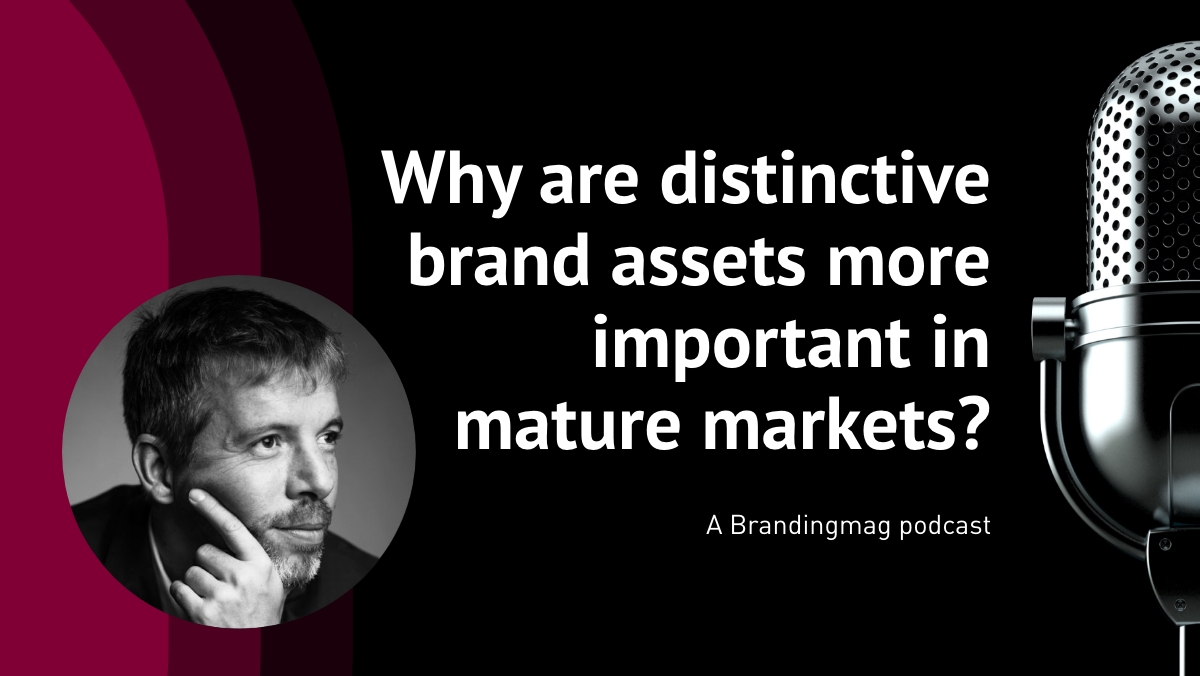
Why Are Distinctive Brand Assets More Important in Mature Markets?

Prof. dr. Koen Pauwels, Northeastern University

Prof. dr. Koen Pauwels, Distinguished Professor of Marketing at Northeastern University, talks about how mature and emerging markets imply different levels of importance for a brand’s assets; what and when to measure; and much more – all through the lens of his impressive studies and work experience.

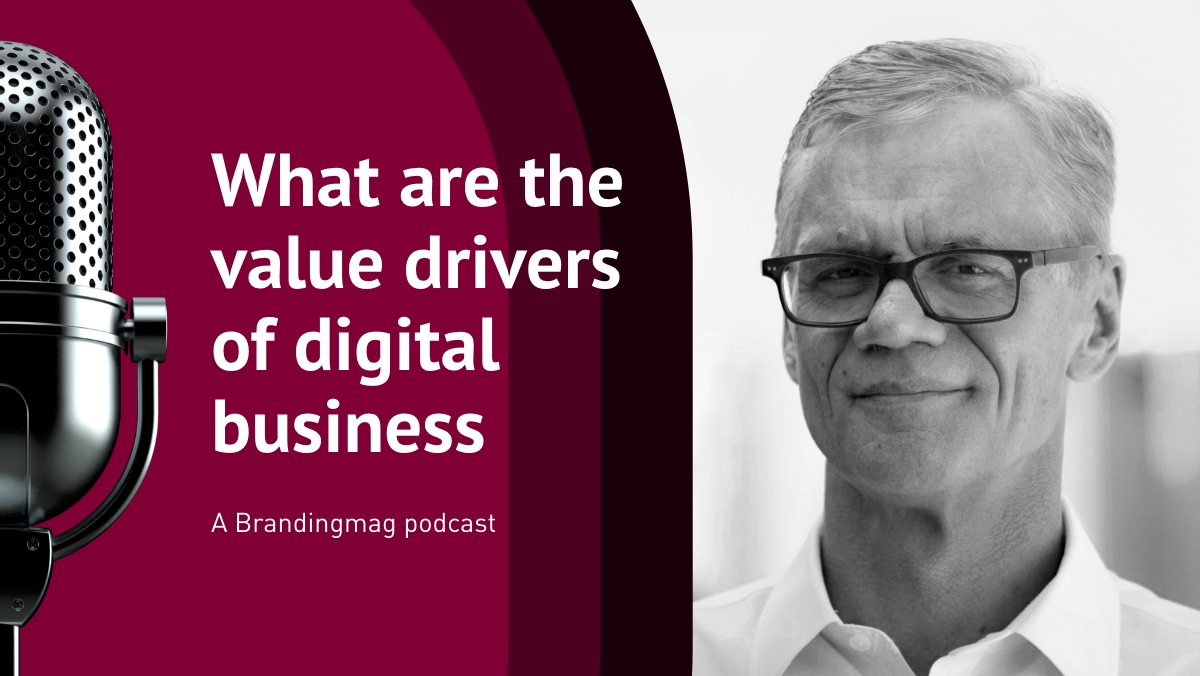
What Are the Value Drivers of Digital Business Models?

Dr. Erich Joachimsthaler, Vivaldi

Dr. Erich Joachimsthaler, founder and CEO of Vivaldi and award-winning author, explains why the creation of value has shifted towards the consumer side and how digital business models can help brands transition to an interactional relationship with consumers, all with eye-opening examples.

Listen to the podcast on your favorite platforms

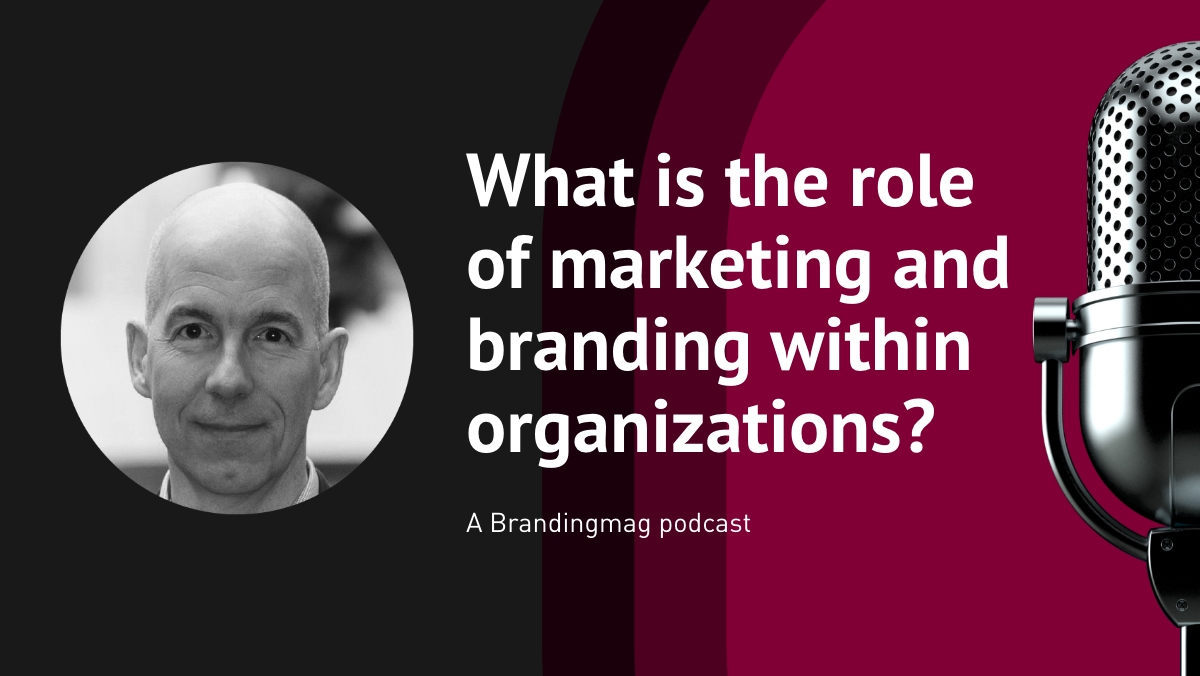
What Is the Role of Marketing and Branding Within Organizations?

Theo van Uffelen, Yakult

Theo van Uffelen, seasoned marketer (Unilever, Coca-Cola) and European marketing manager at Yakult, talks about purpose; the role of marketing and branding in organizational cultures; how marketing and marketers have changed over the years; and how to build a high-performance (marketing) culture.

Listen to the podcast on your favorite platforms

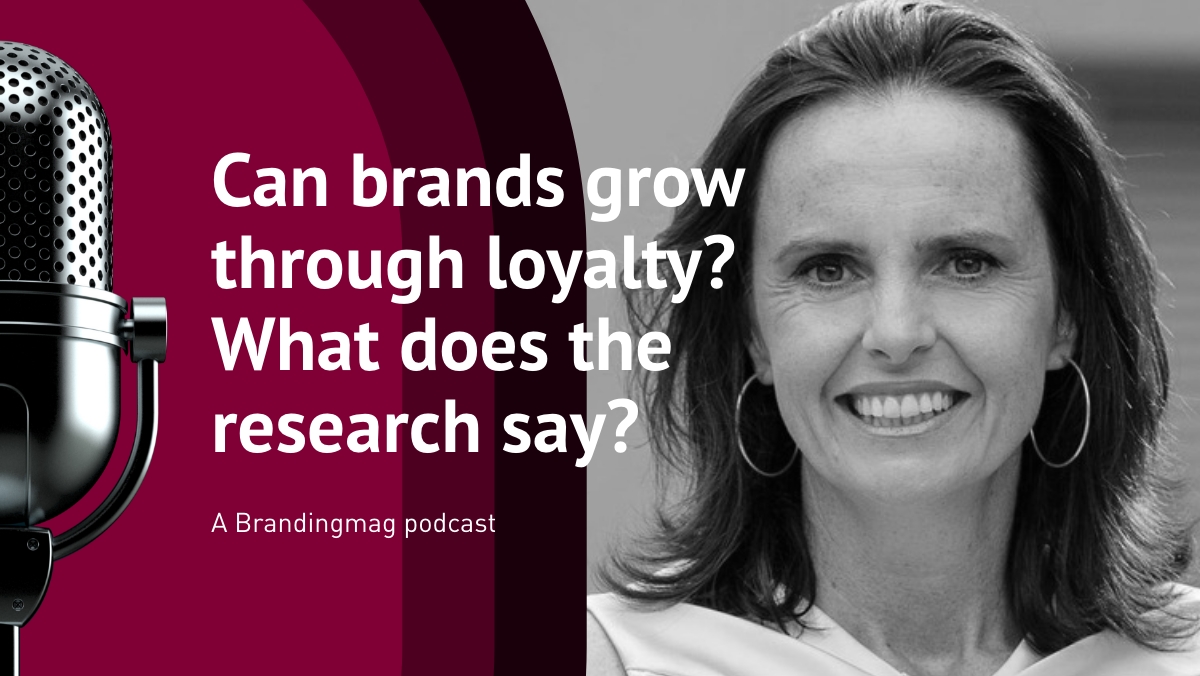
Can Brands Grow Through Loyalty? What Does the Research Say?

Prof. Rachel Kennedy, Ehrenberg-Bass Institute

Prof. Rachel Kennedy, founder and director of the Ehrenberg-Bass Institute for Marketing Science – the world’s largest center for research into marketing – explains evidence-based marketing; why advertising matters; how brands really grow; predictability of competition; and two important marketing laws.

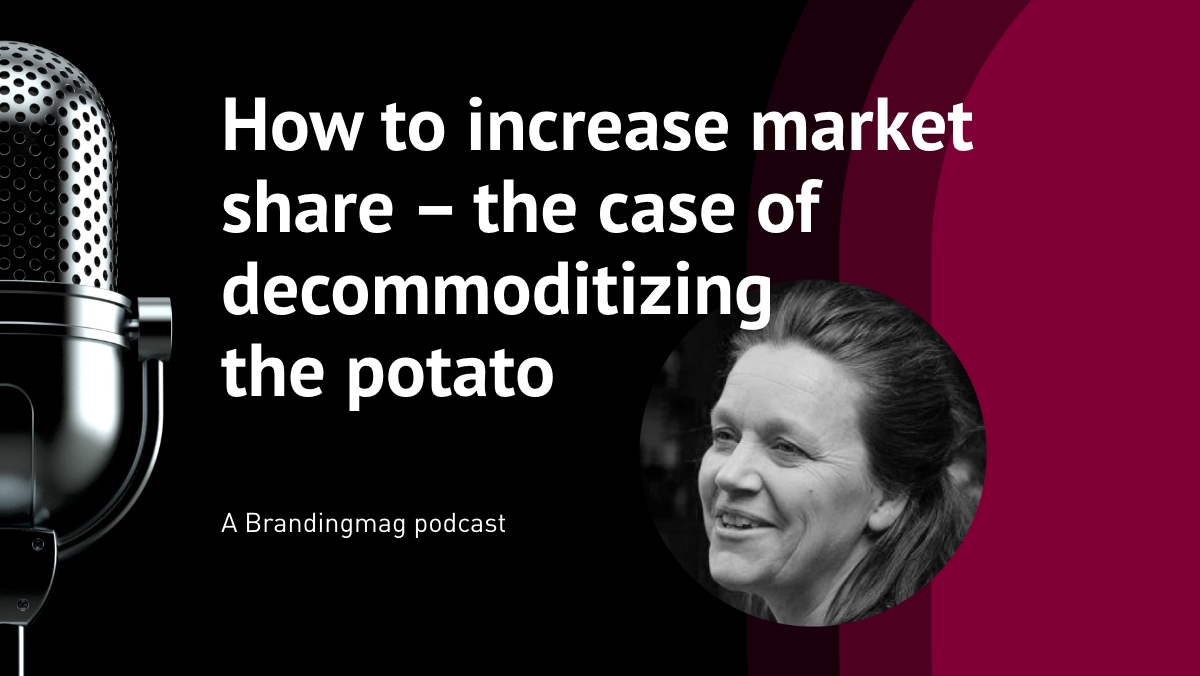
How to Increase Market Share – The Case of Decommoditizing the Potato

Ingeborg Blaauw

Ingeborg Blaauw, Aviko’s intl. marketing manager, explains how the brand surpassed $1Billion by adding more value to the most generic of products – the potato. A case study on over a decade of outstanding marketing work.

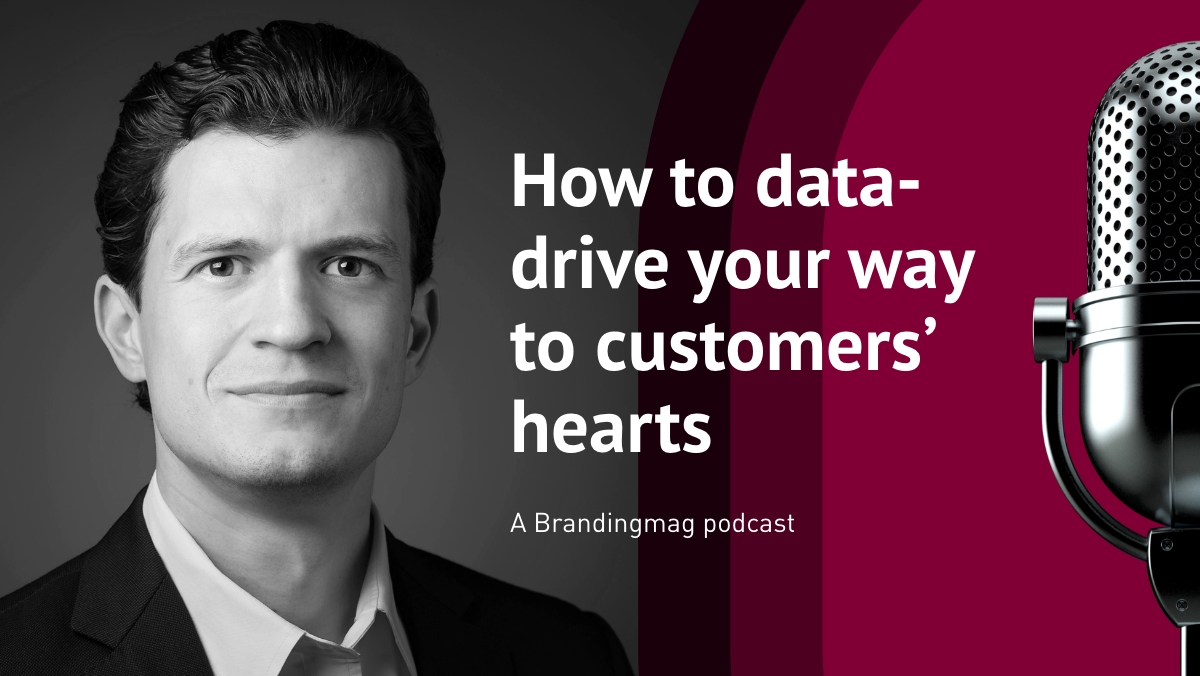
How to Data-Drive Your Way to Customers’ Hearts

Neil Hoyne

Google’s chief measurement strategist, Neil Hoyne, brings clarity to how data and marketing come together; what and how to measure; moving beyond a single transaction; embracing human nature; and more. Concrete examples and spot-on metaphors outline a solid course of action for marketers everywhere.

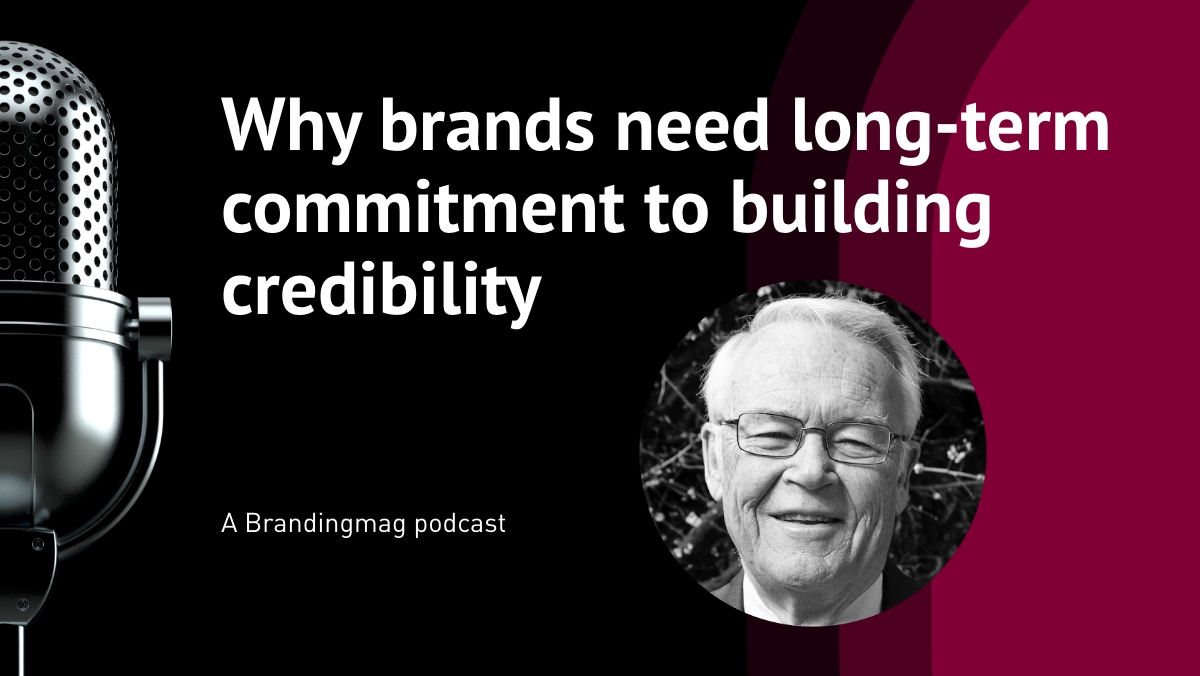
Why Brands Need Long-Term Commitment to Building Credibility

David Aaker

The famous David Aaker reflects on disruptive innovation and the imperative of building brand credibility. From the evolved equity model to brand stories – an insightful guide for modern brand building.

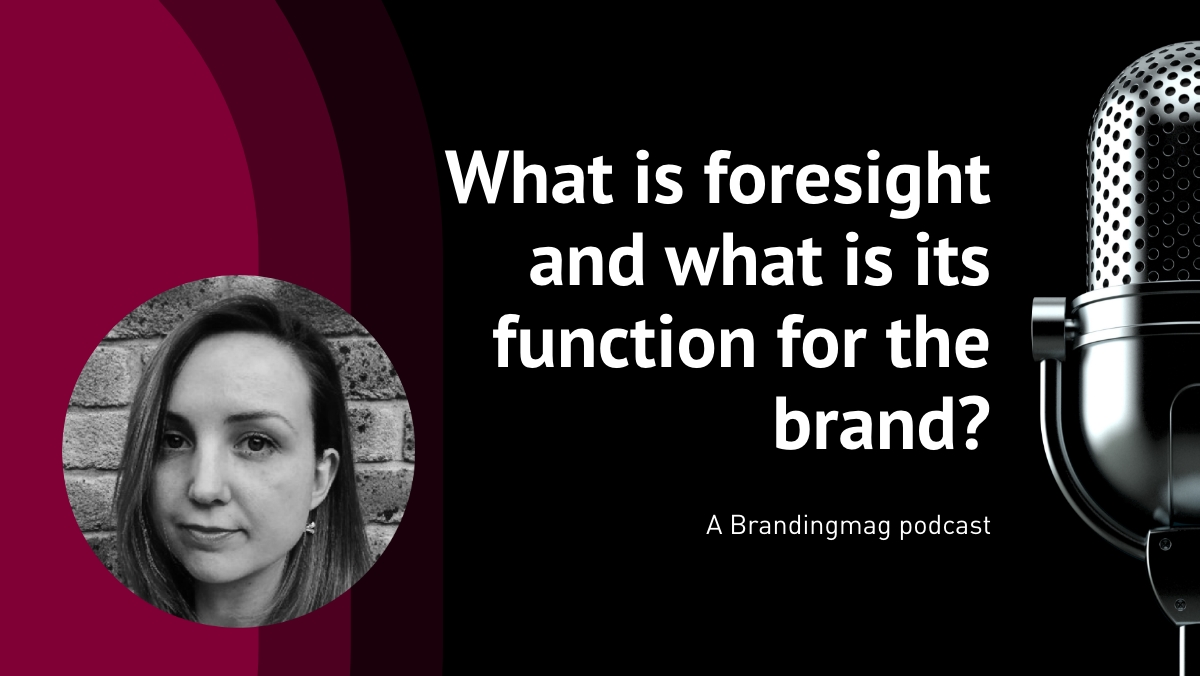
What Is Foresight and What Is Its Function for the Brand?

Joanna Lepore

Mars Wrigley’s Joanna Lepore peeks into the future through foresight – a careful combination of creativity and science, that mixes strategy, marketing, and insights – to imagine relevant and objective outlooks for her organization.

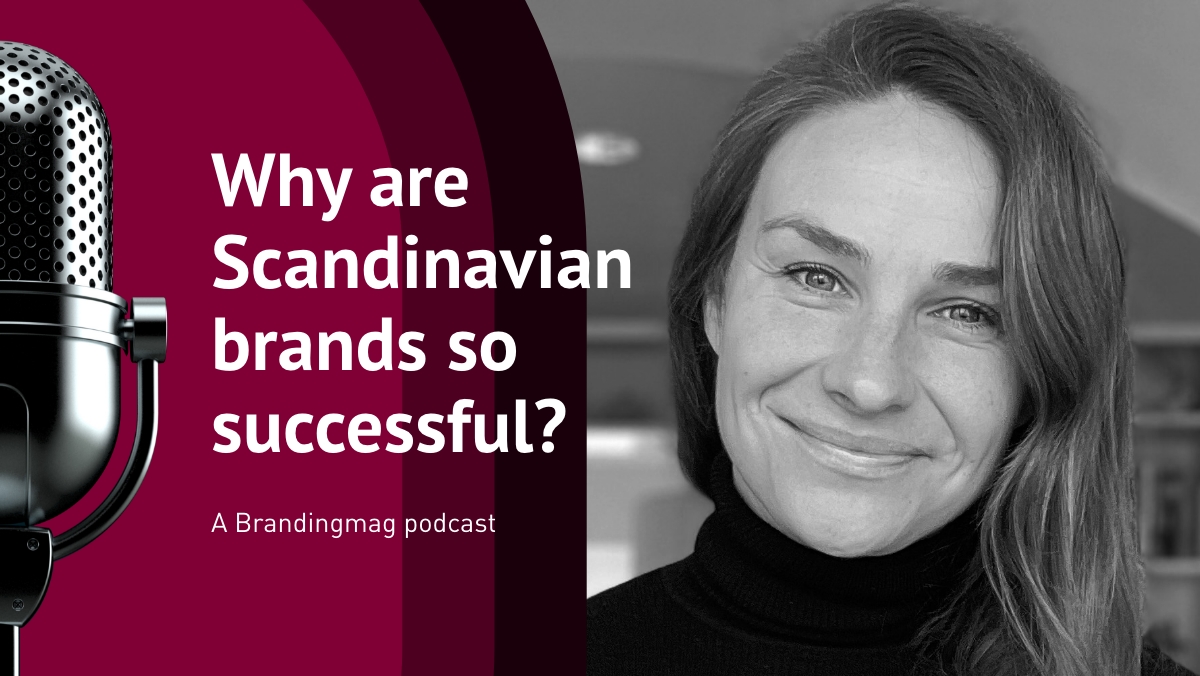
Why Are Scandinavian Brands so Successful?

Digge Zetterberg

Digge Zetterberg, Frontify’s head of communications, talks about what makes Scandinavian brands so successful – from the relationship between brands and societal values to democratizing products, and everything in between.

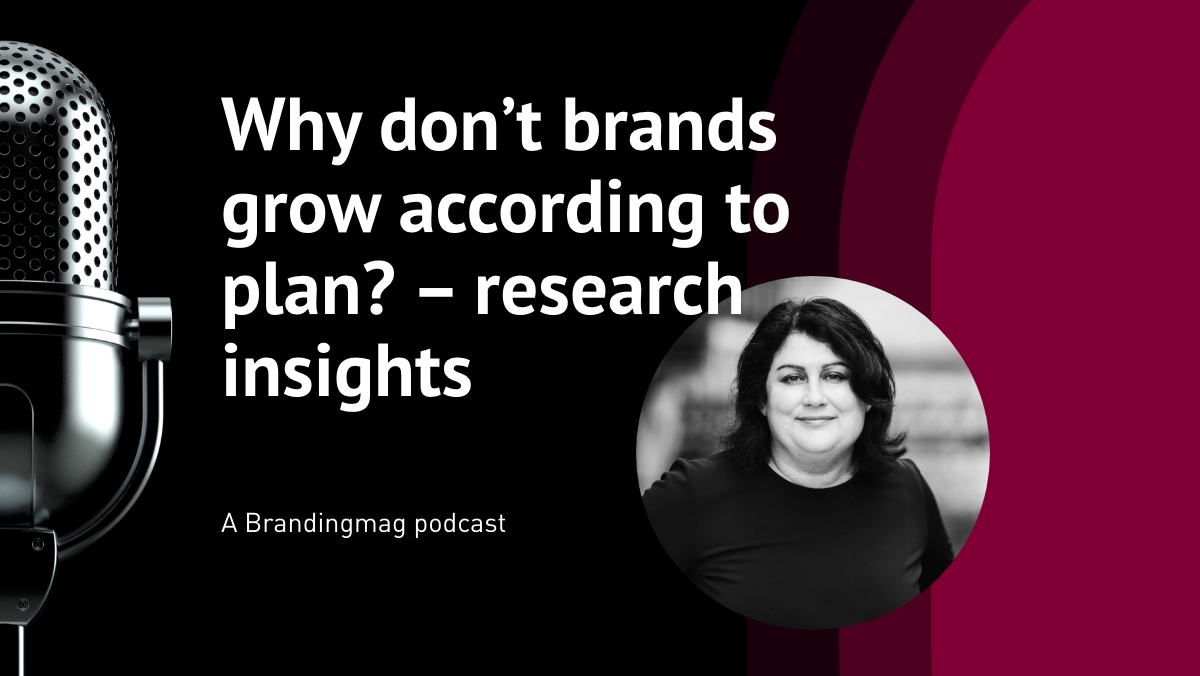
Why Don’t Brands Grow According to Plan? – Research Insights

Prof. Jenni Romaniuk

World-renowned research professor Jenni Romaniuk of Ehrenberg-Bass underlines why growth doesn’t always match the plan and what areas to focus on when following brand growth: the customer base, non-buyers, availability, and category entry points.

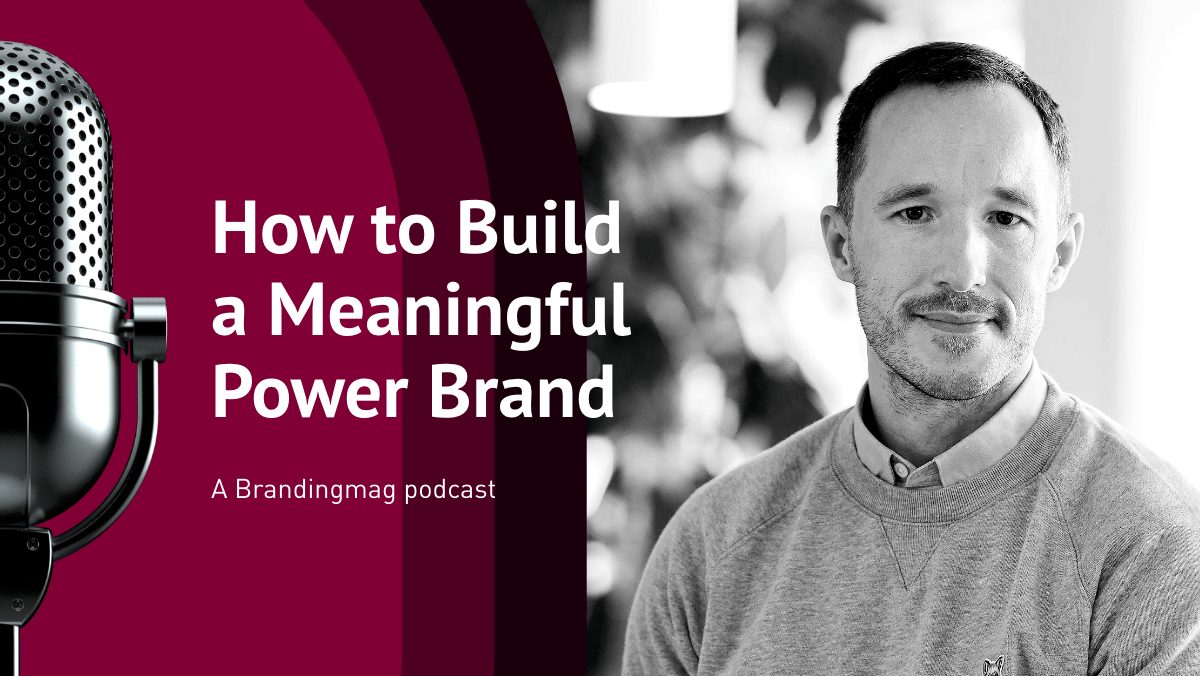
How to Build a Meaningful Power Brand

Kris Michiels

Listen to Unilever’s brand, marketing, and communication director, Kris Michiels, on how strong brands are created. As he rightly mentions, the essence of our job as brand leaders and marketeers is strengthening brands from the core – and, in this episode, he suggests how.

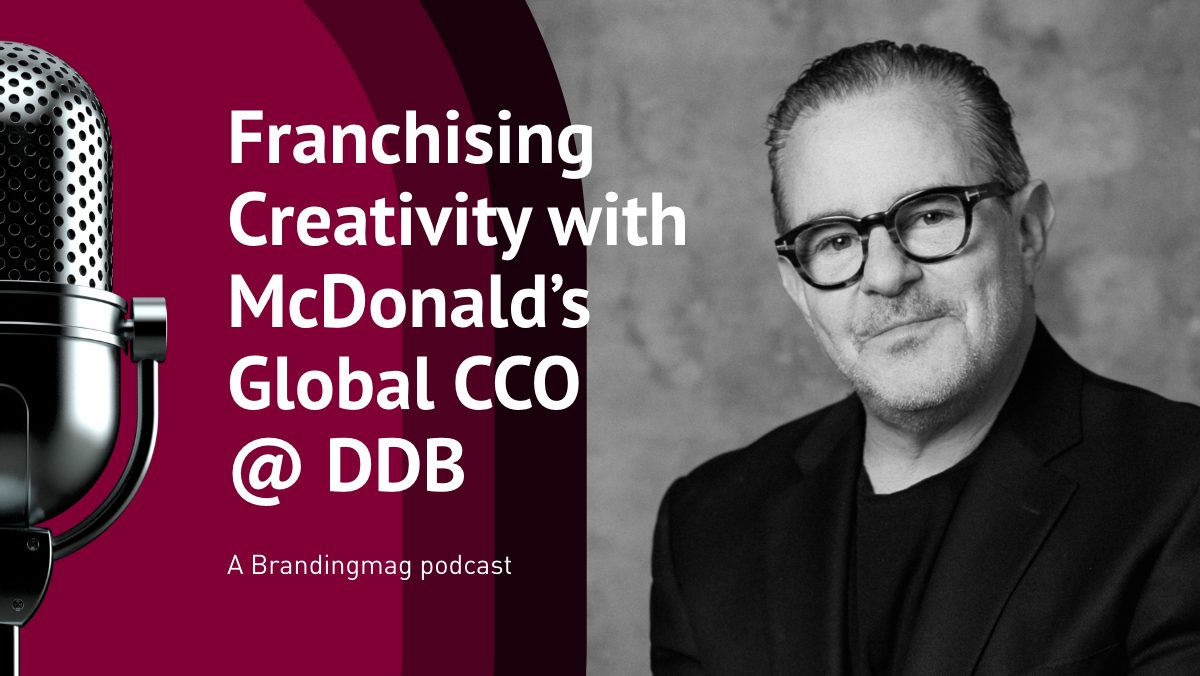
Franchising Creativity with McDonald’s Global CCO @ DDB

Luis Miguel Messianu

McDonald’s Global CCO @ DDB, part of CMC’s Advertising Hall of Fame, discusses his experience with building an efficient infrastructure of sharing creative ideas globally in the DDB network.

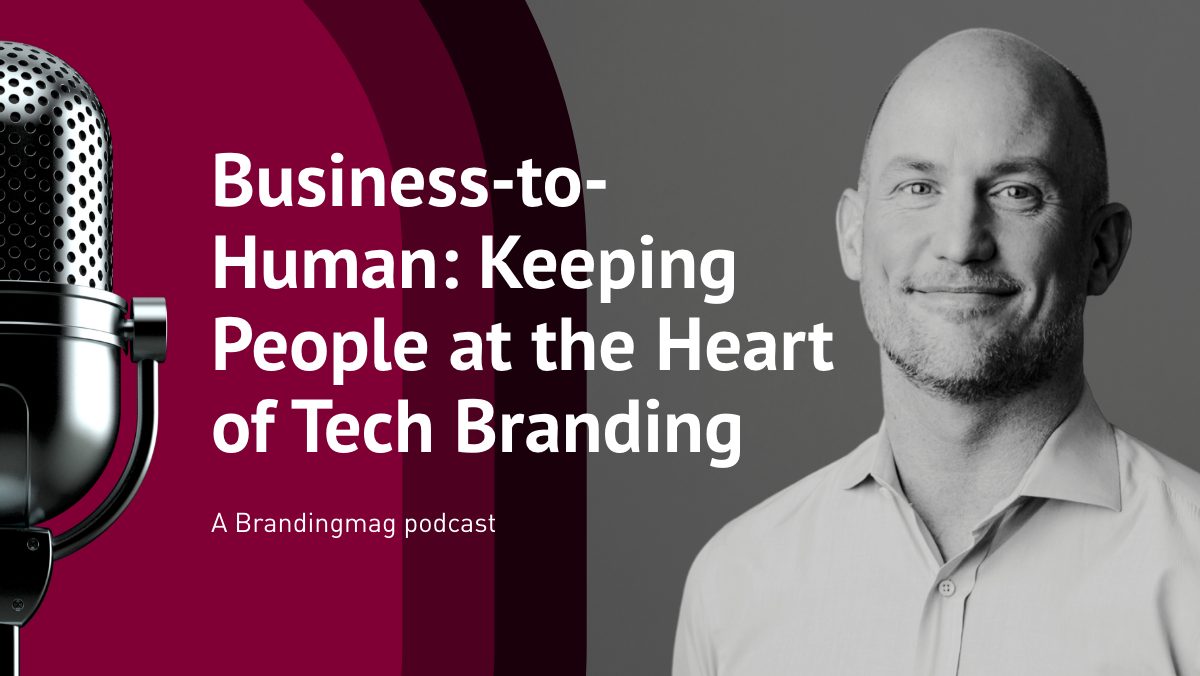
Business-to-Human: Keeping People at the Heart of Tech Branding

Jim Misener

In this Branding over Wine podcast episode, Jim Misener, president at the agency 50,000feet, explores the crucial role of branding in the world of tech. He breaks down how the stories, values, and aesthetics of brands help people connect with and understand the technology that shapes their lives.

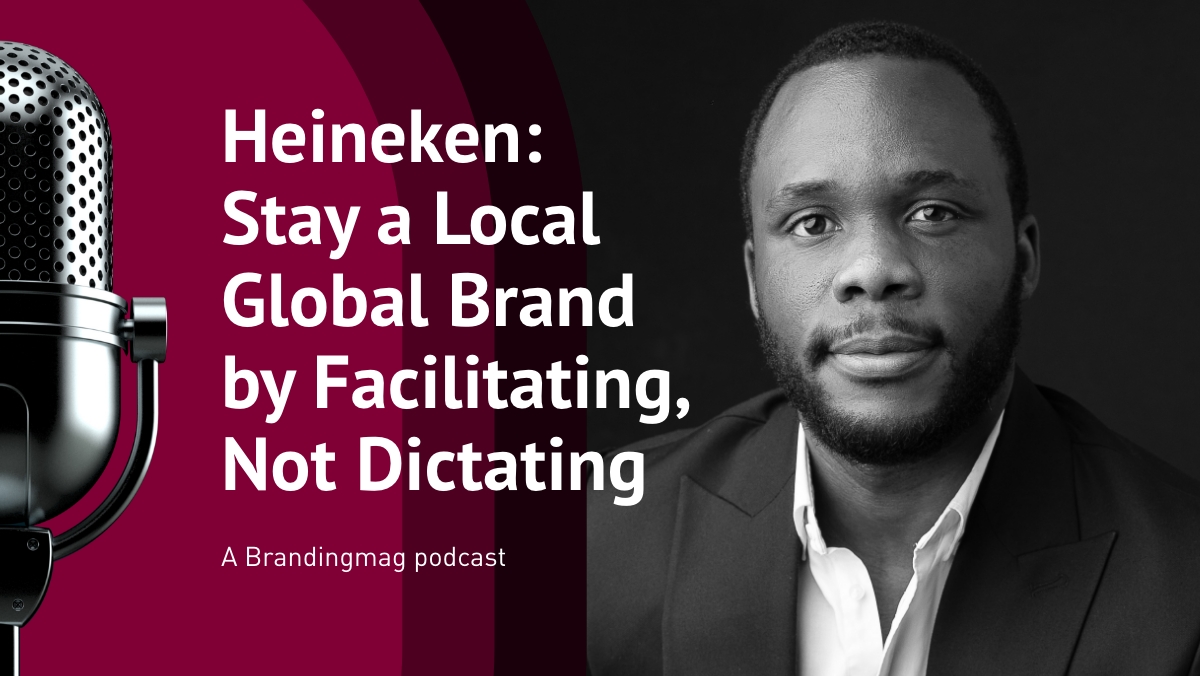
Heineken: Stay a Local Global Brand by Facilitating, Not Dictating

Obabiyi Fagade

In this Branding over Wine podcast episode, Obabiyi Fagade, commercial development manager of global brands at Heineken, explains the importance of embracing the local while remaining open to global influences. In Africa’s emerging markets, for example, marketers have the opportunity to elevate local cultures in their brands, but they must be open to change and outside influences to do so.

Related roundtables

No favorites selected

Why Human-Crafted Messaging Will Never Go Out of Style

Given the amount of commentary claiming copywriting to be in jeopardy as a profession, what with all the generative AI going around and whatnot, we thought it the perfect moment to get 3 of our industry’s most revered copywriters together to tell us all what’s what.

Courses

No favorites selected

The PR Editor-in-Chief: From Media Relations to Strategic Brand Leadership

Are you a public relations expert looking to establish yourself as a more strategic partner for brand leaders? Learn how adopting an editorial mindset can help make that happen.

Favorite this for updates
brandingmag

To purchase Harry's Writing That Works At Work please

Please register to be able to use favorites.

Don’t have an account? Register.

brandingmag

We're doing a bit of soul-searching to better know our readers and improve your experience. Please take this 2-min survey and you might just WIN the first edition of our new eBook series: State of the Brand!

Use the Bm | Bn switcher in the top-left corner to seamlessly switch between our Brandingmag and Branding.News websites.

Got it
brandingmag
MailChimp error message holder
Got it

Ad block

We noticed you're using an ad blocker. Totally understandable, but our ads are minimal, always relevant, and a great help for supporting our ongoing efforts to narrate a quality discussion around branding.

Please consider disabling your ad blocker or sign up/sign in before diving into our exclusive insights:

newsletter
We like you. You like us. Sign up for our weekly newsletter.
* indicates required